


Most visited pages
Browse through our full list of topics to find more programs and services.
OSAP: Ontario Student Assistance Program
Get help paying for school with grants and loans from the government.
Licence plate renewal
Find information on licence plate sticker renewals and eligibility requirements.
Ontario Business Registry
Register or dissolve your business, search for information about a corporation and more.
Health card
Apply for or renew a health card to get coverage under the Ontario Health Insurance Plan.
Change your address
If you have moved, update your address on record for Ontario services and cards.
e-Laws
Browse through Ontario’s acts and regulations, including current and old laws.
ServiceOntario

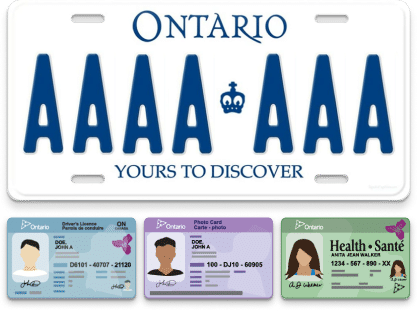
Get government documents and access services online or in person, including:
Sign up for renewal reminders, so you’ll never forget to renew.
Featured

A Plan to Protect Ontario
Learn how we are protecting Ontario workers, businesses and jobs by investing in infrastructure, critical minerals and resource development and boosting interprovincial trade capacity.

Buy local food
Look for the Foodland Ontario logo to help you choose fresh food from close to home, while supporting local farmers and businesses.
Cutting red tape
Have an idea to help us cut red tape, reduce costs and speed up approvals to make government work better for people and smarter for businesses? Share it with us.
Topics
Benefits and taxes
Business and economy
Courts, justice and law
Driving and road safety
Education and apprenticeship
Environment and energy
Family and social services
Health and wellness
Heritage, arts and history
Home and housing
Immigration
Jobs and employment
Land use and planning
Rural, agriculture and north
Recreation and tourism
Government
Ministries
Browse through a list of Ontario’s ministries.
Premier of Ontario
Learn about the premier and how to get in touch.
Newsroom
Read the latest news releases and find media contacts.
Employee directory
Search for an employee or organization’s contact information.
Job openings
Search for jobs at the Ontario Public Service.
(Maximum 200 words)