

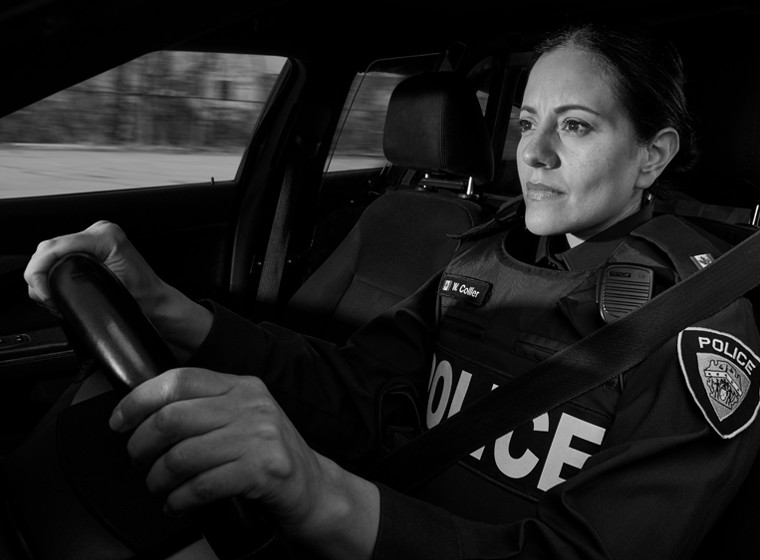
Protecting Ontario neighbourhoods
Ontario is working to protect our neighbourhoods by tackling auto theft, clearing encampments, shutting down drug injection sites near schools and daycares, building more jails and strengthening the bail system, so criminals stay behind bars.
Building more jails
We are building more jails to keep criminals off the streets. Ontario is investing over $3 billion to build and expand jails and correctional facilities, including:
- 184 new beds at the new Brockville Correctional Complex
- 345 new beds at the Thunder Bay Correctional Complex
- 320 new beds at the Toronto South Detention Centre
- 150 new beds between 3 modular expansions in Niagara, Milton and Sudbury
- 91 new beds at the Quinte Detention Centre
- 235 new beds at the Eastern Ontario Correctional Complex
Learn more about:
Strengthening the bail system
Federal government advocacy
We are calling on the federal government to take the following actions to strengthen the Criminal Code and fix the broken bail system:
Mandatory minimum sentencing
Restore mandatory minimum sentencing for serious crimes to ensure appropriate penalties and justice for victims.
3-strike rule
Mandate a 3-strike rule requiring pre-trial detention for repeat offenders, so they are not allowed back on the street before their day in court.
Pepper spray
Legalizing the carrying and use of pepper spray for self defence purposes, giving vulnerable, law-abiding citizens a practical, immediate tool to defend themselves.
Mandatory DNA collection
Instituting mandatory DNA collection upon arrest for sexual offences, with automatic sample destruction on acquittal or non-conviction.
Automatic victim notifications
Pursuing automatic victim notification following DNA database hits in sexual offence cases.
Bail reform
Require ankle monitors as a condition of bail for serious crimes and remove bail availability for offenders charged with:
- murder
- terrorism
- human trafficking
- intimate partner violence
- drug trafficking
- criminal possession or use of restricted or prohibited firearms
- robbery (for example, carjackings and home invasions)
These changes will equip front-line police officers with the tools and resources needed to accelerate investigations and ensure victims of crime are always informed and supported.
What Ontario is doing
Strengthen Ontario's bail system by:
- establishing bail compliance teams
- apprehending high-risk offenders who have broken their bail conditions
- ensuring that police services are better equipped to monitor high-risk offenders
Created Intensive Serious Violent Crime Bail Teams within the courts system that will help:
- make persuasive cases at a bail hearings of serious and violent crimes
- flag high risk accused persons
- review the bail system to make it more effective
Reducing auto theft
We’re cracking down on criminals stealing cars, by providing police and prosecutors with more tools to combat auto theft and organized crime.
Auto theft penalties
We’ve introduced legislation for stiffer penalties for criminals convicted of auto theft. Under the proposed legislation, thieves convicted of motor vehicle theft under the Criminal Code would face a:
- 10-year licence suspension for a first offence
- 15-year licence suspension for a second offence
- lifetime licence suspension for a third offence
Licence suspensions would apply to convictions where the court found that aggravating factors were involved in the commission of the offence, such as violence, use of a weapon, use of force, threat, or pursuit of financial gain.
New police helicopters
We’re investing $191 million to aquire seven new police helicopters for use in the Greater Toronto Area and the Ottawa, Niagara and Windsor regions. These helicopters will help combat street racing, impaired driving, violent carjackings, and automobile theft and improve border security.
Task force and prosecution teams
We’ve created task force teams to identify, disrupt and dismantle organized crime networks participating in vehicle theft, they are:
- Provincial Auto Theft and Towing Team
- This team will work with police services to identify, disrupt and dismantle organized crime networks participating in vehicle theft.
- Major Auto Theft Prosecution Response Team
- This team will provide dedicated legal and prosecutorial support to the OPP to prepare and prosecute complex cases, with corresponding court support staff and resources.
Transaction fraud
We’re introducing legislation of a new offence providing false Vehicle Identification Numbers (VIN) for a vehicle transaction, with penalties up to $100,000, possible jail time up to six months, and driver’s licence/vehicle permit suspension of up to one year.
Basic Constable Training Program
We’ve removed tuition fees for the Basic Constable Training program at the Ontario Police College for an additional 3 years to support police services in their efforts to recruit and train more officers. By covering 100% of tuition costs, we’re making the path to becoming a police officer more accessible than ever, removing financial barriers for prospective recruits and supporting police services as they expand their frontline capacity.
Holding impaired drivers accountable
We're making our roads safer by introducing legislation aimed at strengthening penalties for serious offences and holding high-risk drivers accountable.
The Keeping Criminals Behind Bars Act, 2026, if passed, will introduce the following measures:
- imposing a lifetime licence suspension for anyone convicted of dangerous driving causing death
- allowing police to immediately suspend a driver’s licence for 90 days and impound a vehicle if they have reason to believe a person is driving dangerously
- increasing fines and vehicle impoundment periods for driving with a suspended licence
- increasing careless driving penalties, including higher fines and a new immediate administrative driver's licence suspension
- doubling fines and suspensions for distracted driving for commercial vehicles
- increasing the minimum fine for not having a functioning speed limiter for commercial vehicles
Increased penalties
Police have tools and tests to detect impaired drivers, including roadside drug screening equipment and sobriety tests.
If the police determine that you are driving while impaired, you can face:
- immediate licence suspensions
- fines and reinstatement fees
- enrollment into education or treatment programs
- vehicle impoundment
- harsher penalties upon conviction
Find out more about impaired driving penalties.
Find out more about cracking down on dangerous driving.
Restoring safety to parks and public spaces
Banning drug injection sites sites near schools and daycares
Drug injection sites cannot operate within 200 metres of schools and childcare centres.
To protect communities near sites, there are:
- new requirements for safety and security plans
- new policies to discourage loitering and promote conflict de-escalation and community engagement
Homelessness and Addiction Recovery Treatment (HART) Hubs
We are investing nearly $560 million to open 29 new Homelessness and Addiction Recovery Treatment (HART) Hubs. HART Hubs will also add close to 900 supportive housing units across the province. This is over 300 more than originally planned, helping people transition to stable, long-term housing.
HART Hubs connect people with complex needs to comprehensive treatment and preventative services such as:
- primary care
- mental health services
- addiction care and support
- social services and employment support
- shelter and transition beds
- supportive housing
- other supplies and services, including naloxone, onsite showers and food
Increased monitoring of sex offenders
To further strengthen laws around monitoring sex offenders, we have enhanced:
- Christopher’s Law to strengthen the Ontario Sex Offender and Trafficker Registry — giving police more tools to better monitor registered sex offenders, and the Change of Name Act to make those with active reporting requirements not eligible to legally change their name, once the amendments are in force