

Provincial rules
The Invasive Species Act sets out regulations to prevent and control the spread of invasive species.
Species regulated under the act pose a risk to Ontario’s natural environment. We assess a species’ risk by looking at its biological characteristics, risk of harm to the natural environment, ability to disperse and social and economic impacts.
There are two classes of invasive species regulated under the act: prohibited and restricted.
Prohibited invasive species
It is illegal to import, possess, deposit, release, transport, breed/grow, buy, sell, lease or trade prohibited invasive species.
Fish
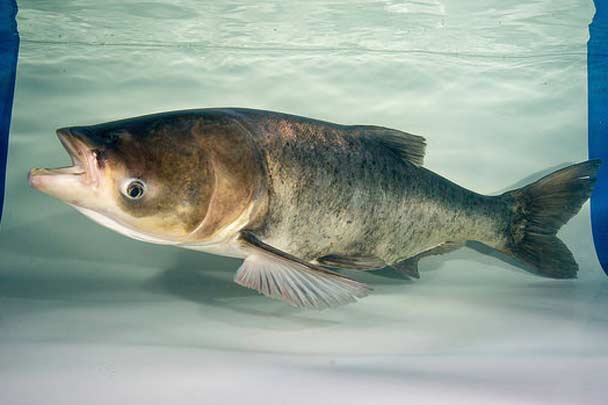
Bighead carp
Hypopthalmichthys nobilis
Affects food chains by eating up to 20% of its body weight in plankton each day.
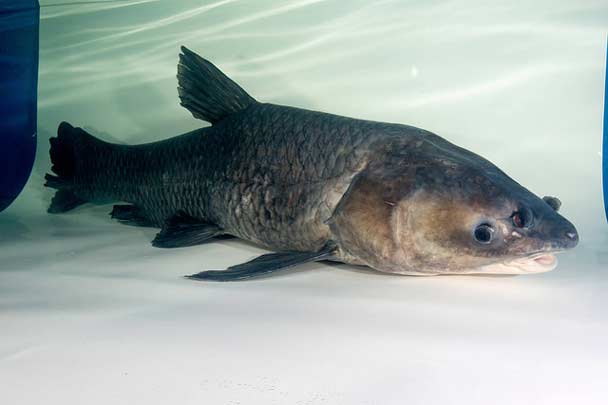
Black carp
Mylopharyngodon piceus
Has specialized molars to feed on molluscs, many of which are at risk in the Great Lakes.
Silver carp
Hypopthalmichthys molitrix
Eats vital zooplankton that support the Great Lakes' food chain.
Snakeheads
All species in the family Channidae
A family of fishes, some of which are aggressive and well-adapted to Ontario habitats.
Stone moroko
Pseudorasbora parva
A small minnow that can carry harmful diseases that may impact our fisheries.
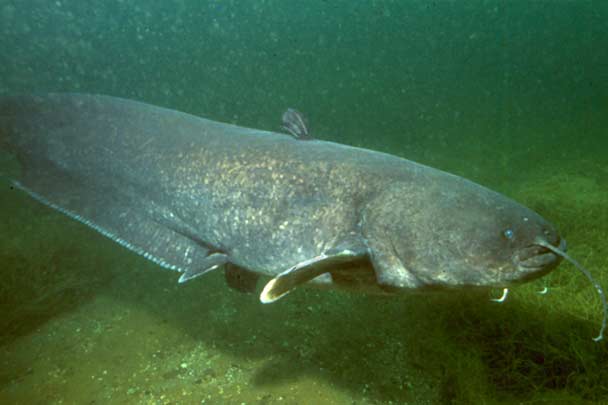
Wels catfish
Silurus glanis
A very large fish that can eat smaller fish, amphibians, mammals and birds.
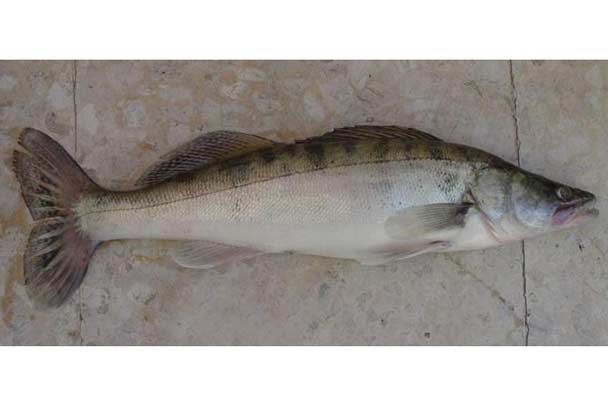
Zander
Sander lucioperca
Large bodied fish similar to Walleye, which can outcompete or prey on native fish.
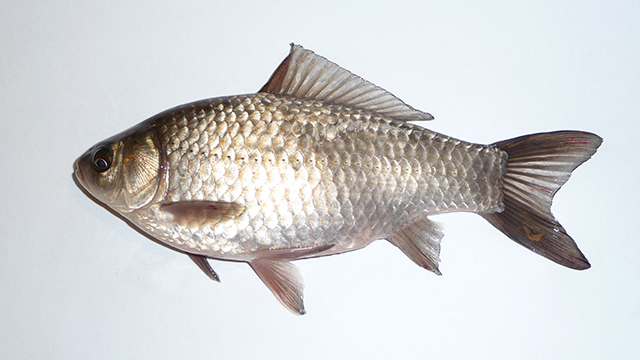
Prussian carp
Carassius gibelio
A carp that can reproduce clonally and reduce biodiversity by outcompeting native fish.
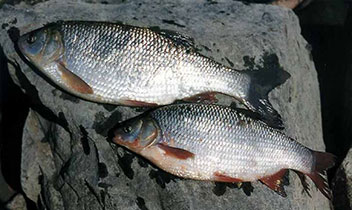 Photo credit: Paige Kuczmarski, Alberta Invasive Species Council, Bugwood.org
NewIde
Leuciscus idus
An invasive fish which can tolerate a broad range of temperature and salt conditions.
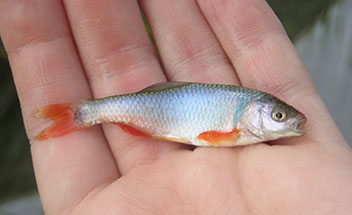
NewRed shiner
Cyprinella lutrensis
An adaptable invasive minnow that thrives in murky waters and can displace native species.
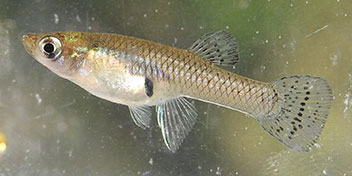
NewEastern and Western mosquitofish
Gambusia holbrooki and Gambusia affinis
Two small invasive fish species that give birth to live fish rather than lay eggs.
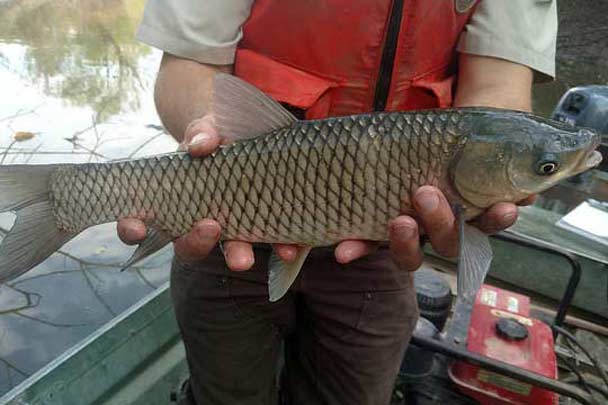
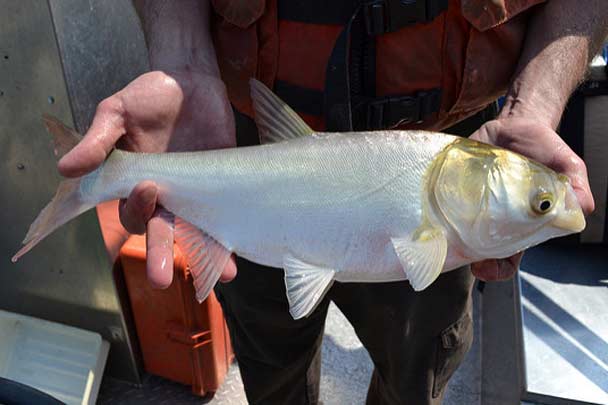
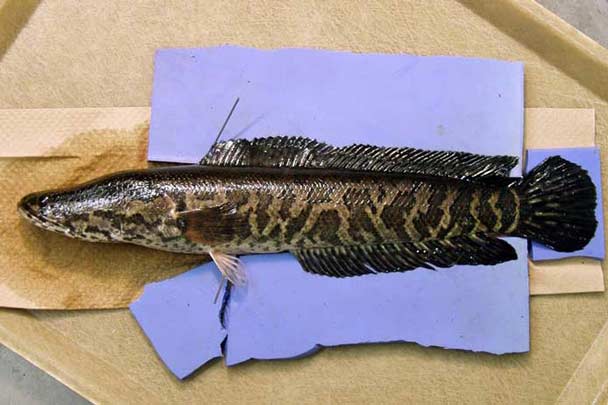
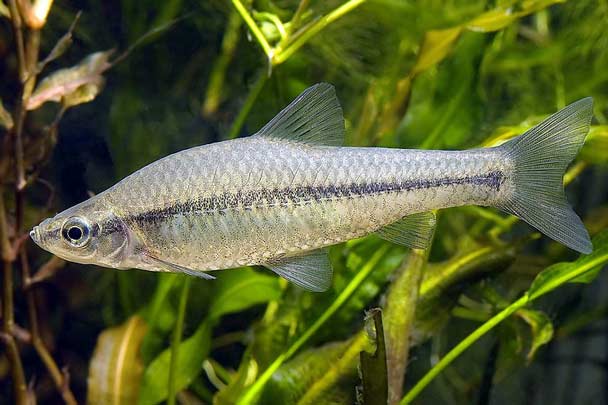
Insects
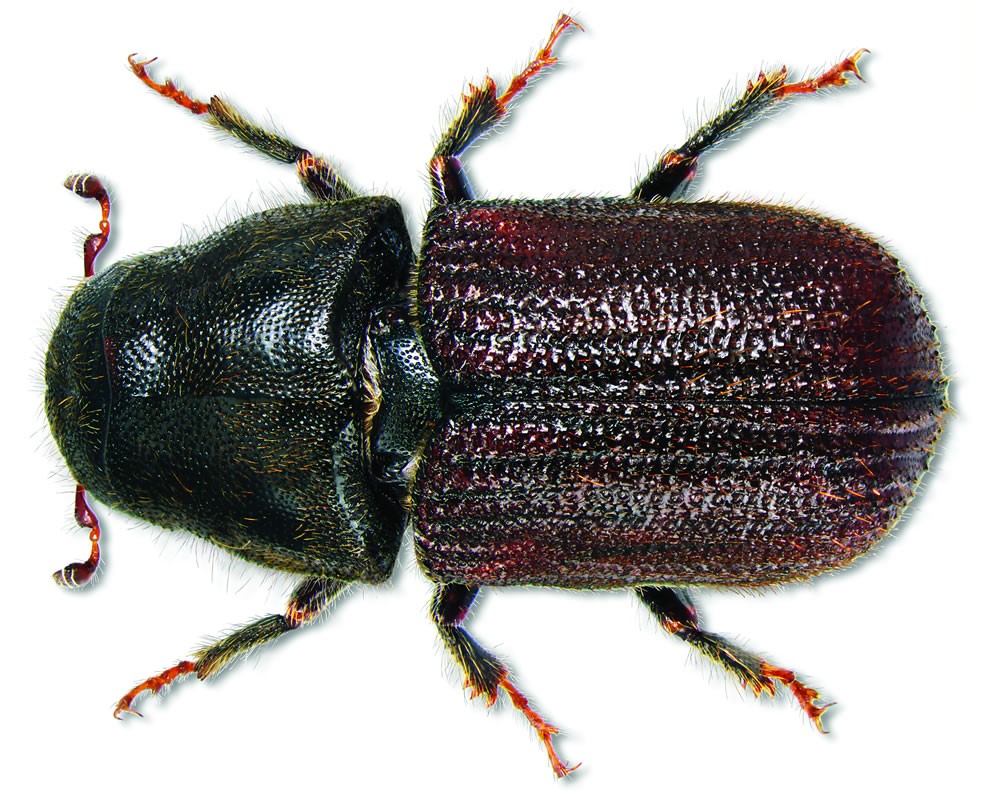
Mountain pine beetle
Dendroctonus ponderosae
A beetle that causes devastating impacts on the forest environment and economy in Western Canada.
Aquatic invertebrates
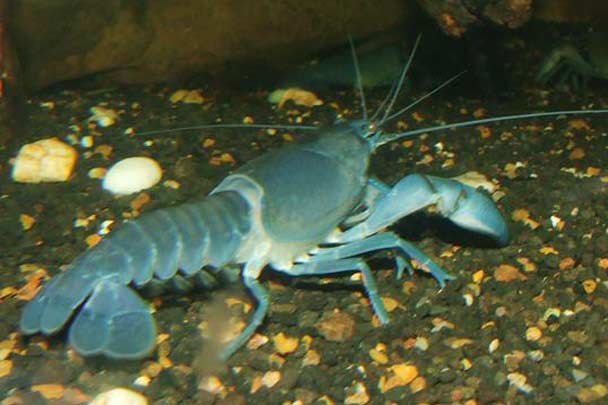
Common yabby (Crayfish)
Cherax destructor
Aggressively eats almost anything, which can displace native crayfish.
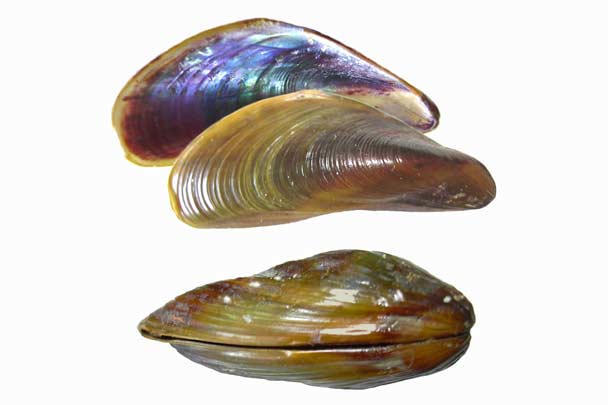
Golden mussel
Limnoperna fortunei
A filter feeder similar to the zebra mussel that can hitch a ride on boats.
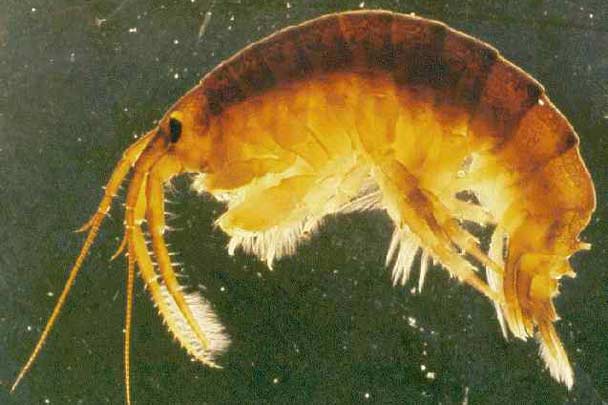
Killer shrimp
Dikerogammarus villosus
Attacks smaller fish eggs, larvae and juveniles, affecting the food chain.
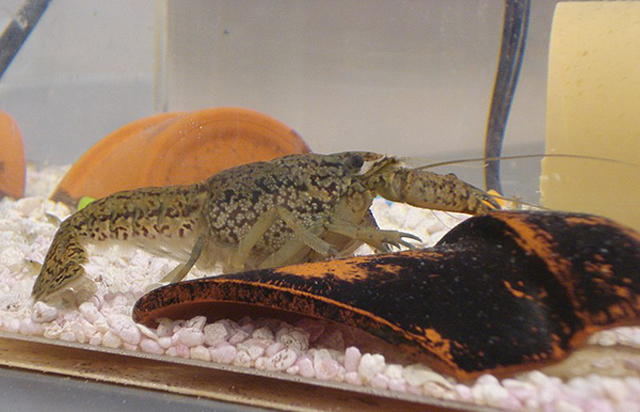
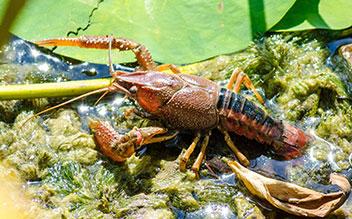
Marbled crayfish
Procambarus virginalis
A unique crayfish created in an aquarium environment which reproduces by cloning itself.
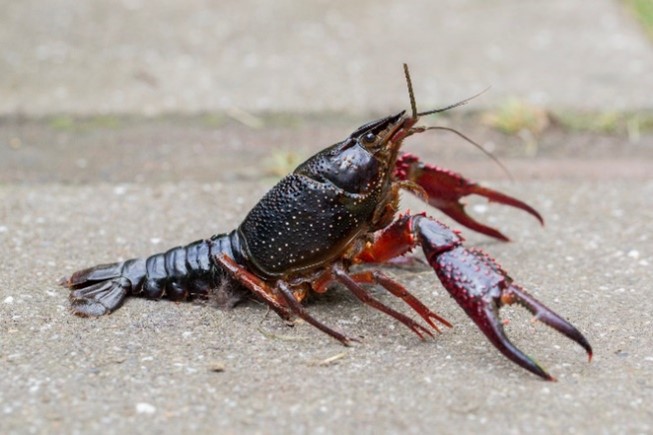
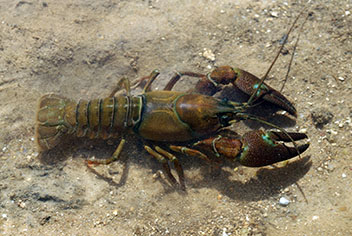
Red swamp crayfish
Procambarus clarkii
A large crayfish which can impact critical habitat for native plants and animals.
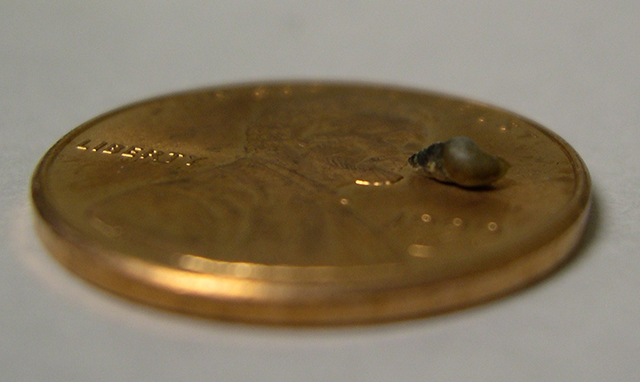
New Zealand mud snail
Potamopyrgus antipodarum
A tiny snail which can reach extremely high densities and disrupt food webs.
NewPacifastacus crayfish
Pacifastacus spp.
A group of invasive crayfish species known for their adaptability and resilience.
NewProcambarus crayfish
Procambarus spp.
A group of invasive crayfish including marbled and red swamp crayfish.
Plants
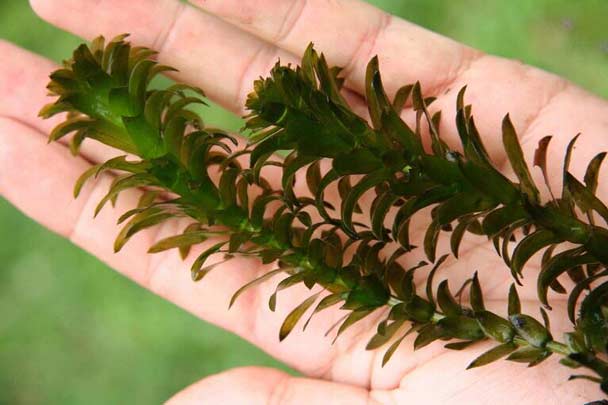
Brazilian elodea (Brazilian waterweed)
Egeria densa
Forms thick mats, which affect water quality and reduce biodiversity.
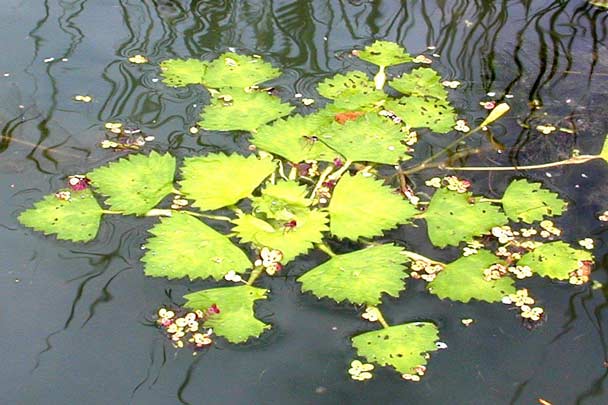
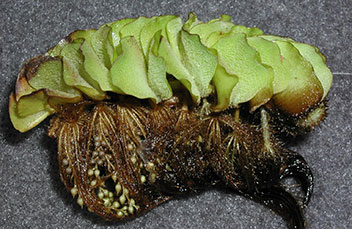
European water chestnut
Trapa natans
Forms dense floating mats, making angling and boating nearly impossible.
Hydrilla
Hydrilla verticillata
A highly adaptable plant that can quickly out compete native species and take over.
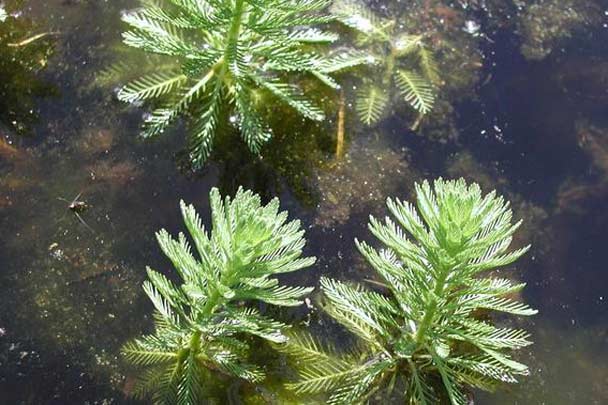
Parrot feather
Myriophyllum aquaticum
Slows water movement and creates stagnant waters suitable for mosquito breeding.
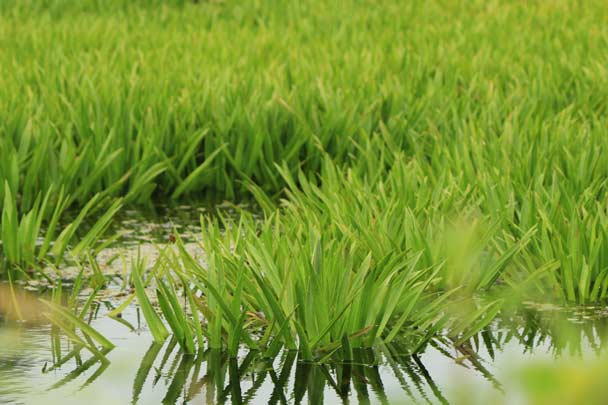
Water soldier
Stratiotes aloides
Grows thick mats that can affect biodiversity and has serrated leaves that can cut swimmers.
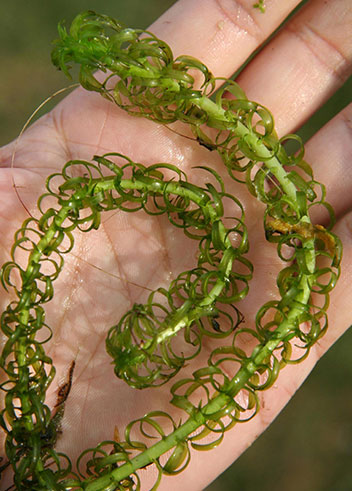 Photo credit: Rohan Wells, National Institute of Water and Atmospheric Research, Bugwood.org
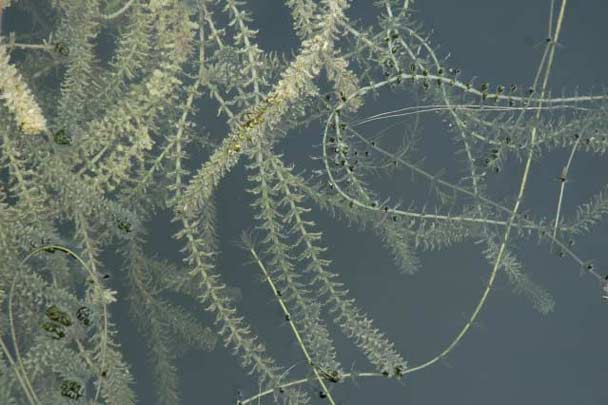
NewOxygen weed
Lagarosiphon major
A perennial invasive aquatic plant that thrives in clear water with abundant sunlight.
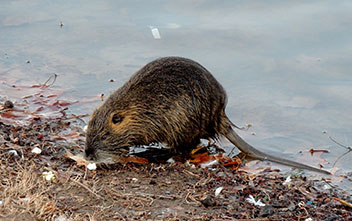
Mammals
Exceptions for prohibited species
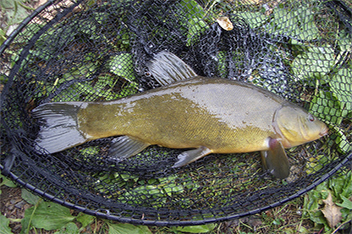
- Dead and eviscerated (gutted) bighead, black, grass or silver carp, Prussian carp, tench, zander or snakeheads may be imported, transported, bought or sold in Ontario.
- Red swamp crayfish, white river crayfish and signal crayfish which are dead and prepared for human consumption (for example, cooked) may be imported, transported, bought or sold in Ontario.
- If you happen to catch a prohibited invasive fish, invertebrate or plant species while fishing, you must immediately destroy it so it cannot reproduce or grow. Do not release invasive species back into the water.
- If you are boating in a body of water where European water chestnut or water soldier are found, try to avoid the infested area. You must also:
- avoid spreading these plants
- remove the plants from your boat, motor and trailer before travelling over land
- dispose of the plants so they won’t end up back in the water
Transition period for regulated species
If you possessed red shiner or crayfish in the Procambarus genus or Pacifastacus genus on January 1, 2024, the date the relevant changes to Ontario Regulation 354/16 came into force, you may continue to possess and transport them until January 1, 2026. This transition period does not apply to marbled crayfish and red swamp crayfish which were both regulated as prohibited invasive species on January 1, 2022.
The transition period provides time to become aware of the rules and dispose of the organisms. You must kill the organisms and dispose them in a way that ensures they do not spread (for example, frozen and in the garbage) prior to January 1, 2026.
If you would like to learn more about what you need to do during this transition period, please contact us at invasive.species@ontario.ca.
Restricted invasive species
In Ontario, it is illegal to import, deposit, release, breed/grow, buy, sell, lease or trade restricted invasive species.
Plants
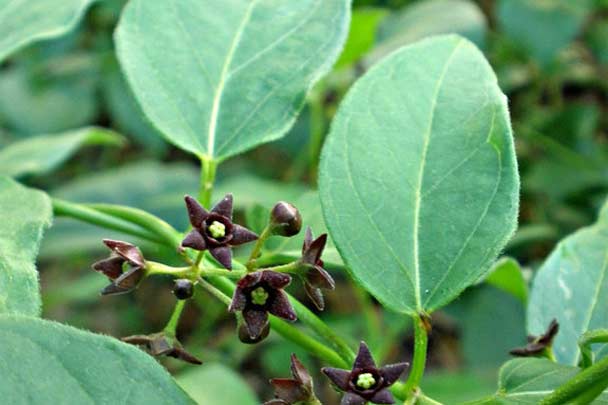
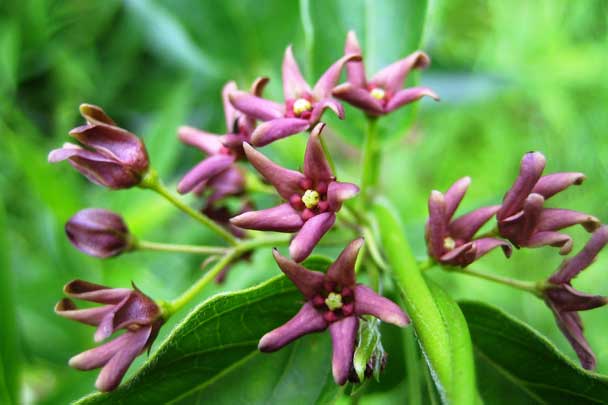
Black dog-strangling vine (black swallowwort)
Cynanchum louiseae
Grows dense patches of vegetation that prevents forest regeneration.
Dog-strangling vine (pale swallowwort)
Cynanchum rossicum
Grows dense patches of vegetation that prevents forest regeneration.
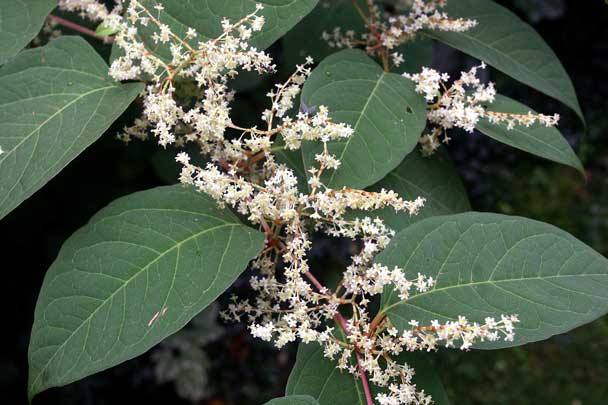
Japanese knotweed
Reynoutria japonica var. japonica
A bamboo-like plant with an aggressive root system capable of growing through concrete.
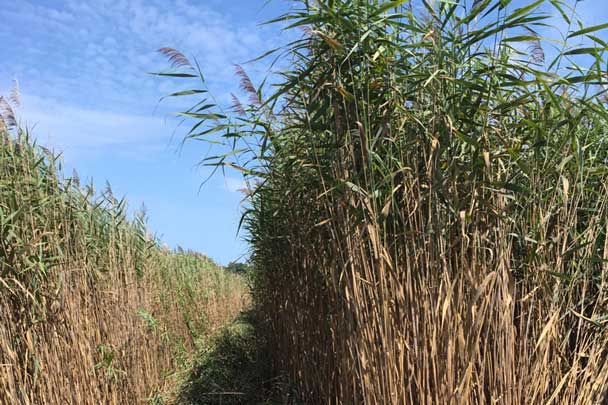
Phragmites (European common reed)
Phragmites australis subsp. Australis
Tall grass species that takes over wetlands and impacts species at risk.
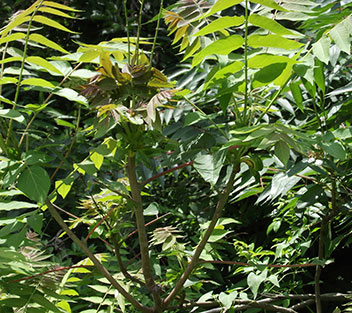
NewTree-of-heaven
Ailanthus altissima
A tall invasive tree nicknamed “stinky sumac” due to the odor released from crushed leaves and twigs. It is also the preferred host plant of the damaging invasive spotted lanternfly.
Carolina fanwort
Cabomba caroliniana
Produces dense mats that displace native plants and restricts activities like boating or swimming.
Bohemian knotweed
Reynoutria ×bohemica
An invasive perennial plant that can cause severe impacts to the natural environment.
Giant knotweed
Reynoutria sachalinensis
An invasive perennial plant that can cause severe impacts to the natural environment.
Himalayan knotweed
Koenigia polystachya
An invasive perennial plant that can cause severe impacts to the natural environment.
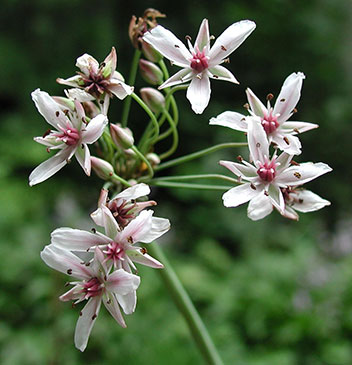
European frog-bit
Hydrocharis morsus-ranae
A free-floating invasive plant with small heart shaped leaves that can outcompete native plants.
NewFloating primrose-willow
Ludwigia peploides
A herbaceous perennial aquatic plant that thrives in shallow waters of wetlands, ponds and slow-moving streams.
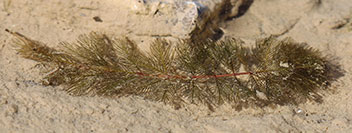
NewEurasian water-milfoil
Myriophyllum spicatum
A submerged aquatic plant that is spread easily though the movement of plant fragments.
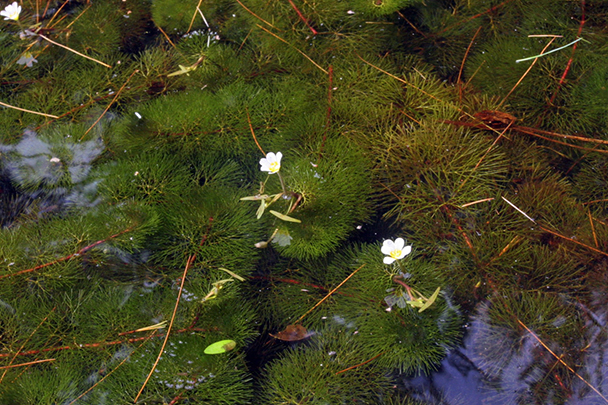
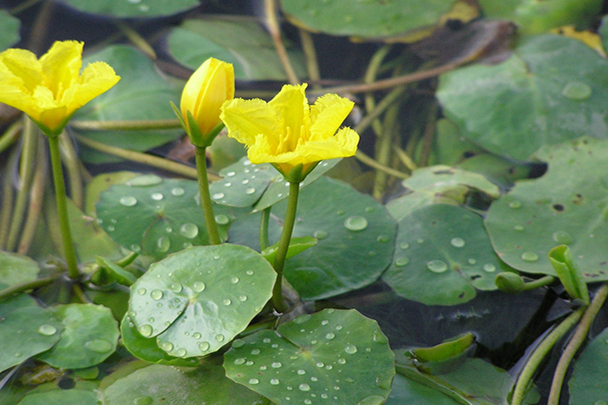
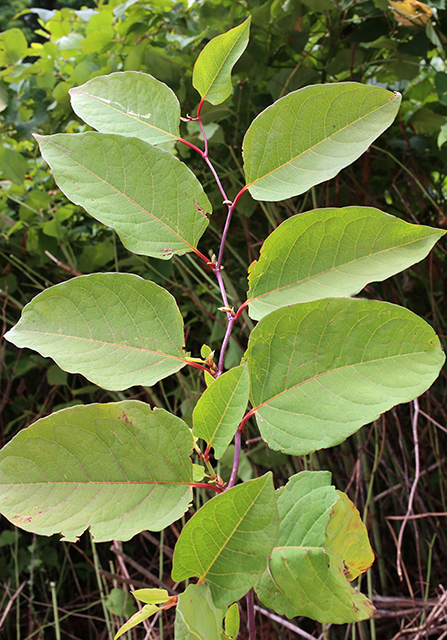
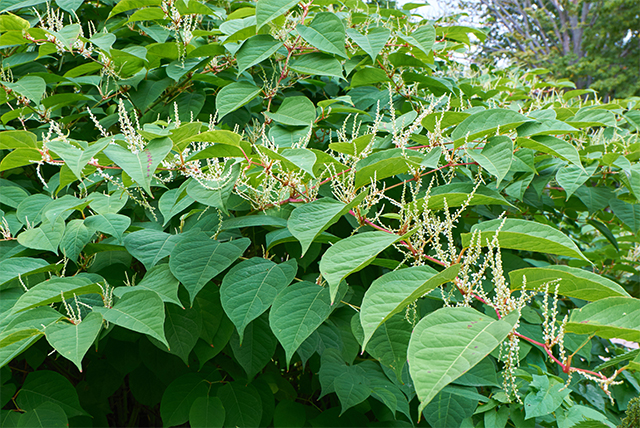
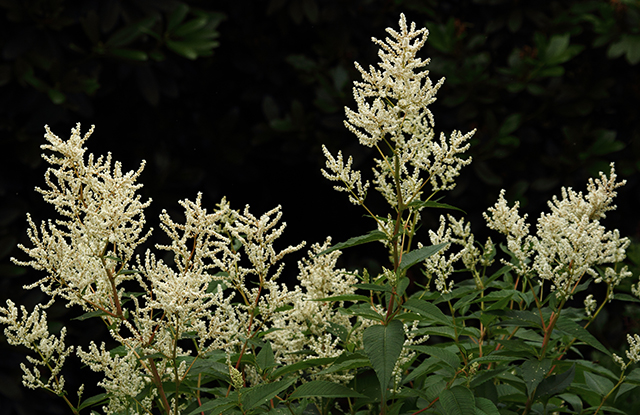
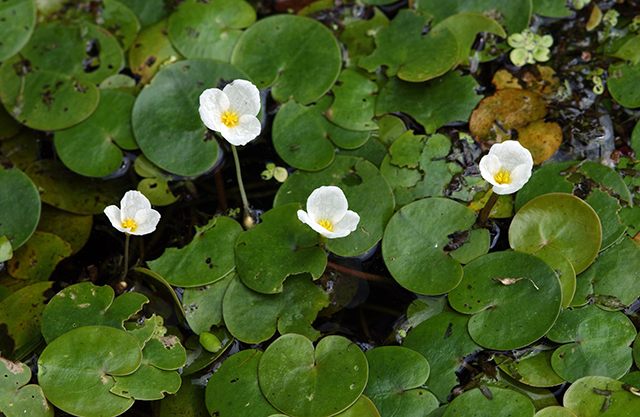
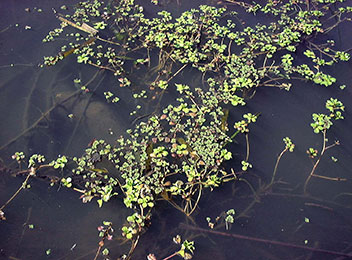
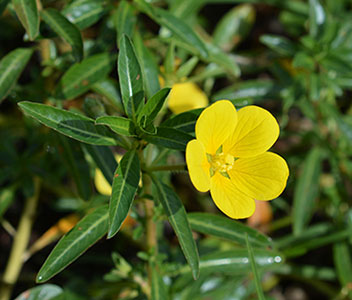
It is also illegal to bring these plants into provincial parks and conservation reserves and to possess, transport, deposit or release them in these protected areas.
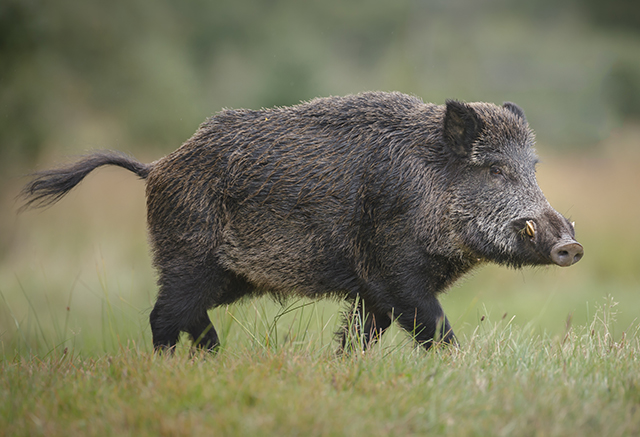
Mammals
Exceptions for restricted species
Outside a provincial park or conservation reserve, it is not illegal to deposit or release a restricted species if you are:
- trying to manage or control it
- working on your farm, in your business or doing maintenance
If you deposit or release a restricted invasive species while undertaking any activity listed above, you must take reasonable precautions to prevent the spread of the restricted invasive species outside the immediate area where the activity is taking place.
Preserved Specimens
You can preserve a specimen of a prohibited or restricted species (for example, for scientific or educational use) as long as it is dead and preserved using a method:
- other than refrigeration or freezing
- that prevents it from reproducing
Authorization under the Invasive Species Act
If you undertake certain activities for research or education, or for the prevention, control or eradication of a regulated invasive species, you will either:
- require an authorization under the Invasive Species Act; or must
- adhere to conditions specified in a prevention and response plan
The ministry has completed prevention and response plans for European Water Chestnut and Water Soldier. If you have questions about the need for an authorization under the Invasive Species Act, please contact invasive.species@ontario.ca.
Federal rules
Federal regulations under the Fisheries Act include rules for Ontario's invasive fish and aquatic species throughout Canada.
Under the federal rules, in Ontario it is illegal to:
- import, possess, transport or release bighead carp, black carp, grass carp, silver carp and snakeheads unless they are dead and eviscerated (gutted)
- possess, transport or release round goby, tubenose goby, rudd or ruffe unless they are dead
It is illegal to possess or use any of these fish as bait, even if they are dead.
It is also illegal to:
- bring zebra or quagga mussels into Canada
- introduce aquatic species to areas where not naturally found
Fishing with live bait
To catch and fish with certain types of live bait already found in Ontario waters, you need:
- the proper fishing licence
- to follow the rules for fishing with live bait, including where you can do it and how much you can catch
Contact us
If you have a question about invasive species in Ontario, call the Natural Resources Information Support Centre at Toll-free: 1-800-387-7011 or Toll-free: 1-800-387-7011, or email us at: NRISC@ontario.ca.